Local or systemic metastasis may develop before tenesmus dyschezia hematochezia or diarrhea is seen. Malignant rectal tumors in cats and dogs include ADC and LSA.

Hi My Dog Had A Small Lump On His Rectum Which Didn T Seem Too Bad This Morning However I Have Attached The Photo Of His It Is Now It Petcoach
Due to the type of disease it is typically malignant and can spread quickly into other.
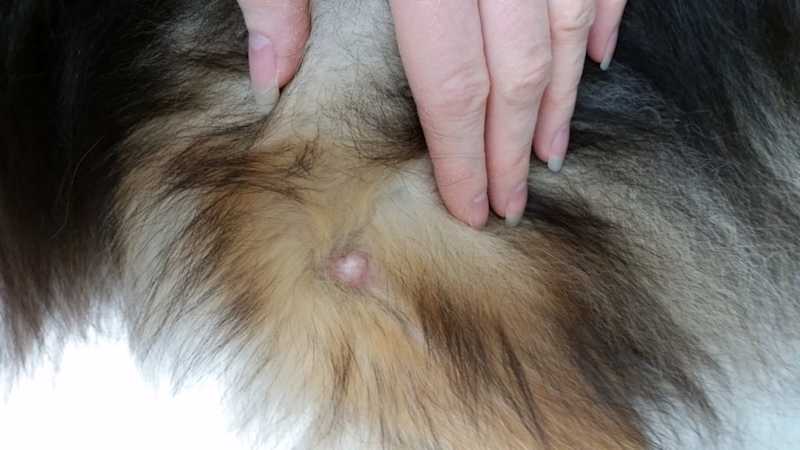
Rectal tumor in dog. However female dogs can be affected although Cushings disease should also be ruled out. Signs include straining to defecate blood in the feces and diarrhea. Another dog had partial mucosal dehiscence identified at 6 days.
And it brings up a really important point which is that veterinarians really need to be doing rectal exams on elderly dogs. But in about 40 of cases there was a recurrence of clinical signs and in approximately 18 of the cases the benign lesions got transformed into malignancies. While some anal adenomas are small grow slowly and rarely cause a problem this isnt always the case.
However one study showed that 2 dogs suffering from leiomyosarcoma who. The primary tumor was incompletely excised in 1 dog 43 and local recurrence occurred 16. In dogs in which survival time was compared with location and gross appearance of the tumor dogs with annular masses had the shortest mean survival time 16 months and dogs with single pedunculated polypoid tumors had the longest mean survival time 32 months.
It occurs in the mid-to-distal rectum of elder dogs mean age 85 years with a male sex predisposition 6070. The most common tumor affecting the anal ring is the anal adenoma This is a benign cancer meaning its not aggressive and rarely spreads. Perianal glands are found anywhere around the anus at the base of the tail and surrounding the male genitalia.
Sometimes they occur deeper and they could be felt with the fingertips as. Adenocarcinoma is the most common malignant rectal tumor. Surgery is the treatment of choice for adenocarcinomas but it.
This may result in some of the complications noted in the section. Chemotherapy- There is no confirmed records to suggest the benefits of adjuvant chemotherapy. The rectum was a more common site than the colon with 482 of the tumors developing in the middle portion of the rectum.
Benign rectal tumors can be removed through transrectal endoscopy. Perianal gland tumors are often benign and occur frequently in male intact dogs. Adenocarcinoma Anal SacPerianal in Dogs.
Some of these tumors grow slowly for months or years and they can eventually rupture and bleed leaving your dog susceptible to infections. Nodular single or multiple pedunculated mid-to-distal rectum or annular constriction or obstruction colon to mid-rectum. Males and female dogs are equally affected by anal gland tumors.
Adenocarcinomas are slow growing and infiltrative. Rectal tumors are also common in dogs. Usually seen as a rectal growth mass on the animal it also is common to find the disease in the lymph nodes.
Its so common that it accounts for 80 of all tumors that occur in the perianal area. And some of them are benign and some of them are malignant. The growths called rectal polyps occur infrequently in dogs.
A perianal adenoma also known as circumanal adenoma and hepatoid adenoma is a common tumor that arises from the sebaceous glands surrounding the anus. Wide and aggressive removal is not feasible due to the adjacent rectum and anus. Any dog can develop cancers of the anal glands but German shepherds English cocker spaniels dachshunds Alaskan malamutes and English springer spaniels are over-represented.
Rectal ADC in dogs is described as infiltrative ulcerative or proliferative. Both male dogs and also female dogs because not all of these tumors are going to be occurring where you can see them with the naked eye. Postoperative complications rectal bleeding tenesmus were mild and resolved within 7 days after surgery.
The larger the polyp the greater the probability that it is malignant cancerous. Up to half of rectal tumors are benign. The polyps are usually benign and do not spread to other tissues.
The gross appearance is variable. With large tumors additional tissue attached to the tumor may need to be removed. If your dog does have cancer your vet might recommend chemotherapy or radiation as additional therapies to prolong your dogs life.
Rectal Stricture in Dogs Rectal stricture is a condition where the rectal or anal opening is constricted due to the presence of scar tissue from inflammation a previous injury or an aggressive cancer growth. The polyp can be felt by a veterinarian during a rectal examination and its surface tends to bleed easily. Rectal Neoplasms in Dogs and Cats.
The average age of affected dogs in ten years of age. Tumors may appear as single or multiple masses in the anal area and can create a thickened ring around the anus. Anal gland tumors are quite rate in cats.
While anal glandsac cancer adenocarcinoma is not common it is an invasive disease that does not generally have a positive outlook. It is the only proven method to influence survival of dogs with these tumors. The tumor is removed through an incision adjacent to the anal opening directly over the tumor.
However anal adenomas in dogs can still cause problems if the tumors grow large. These times range widely from 32 months for dogs with pedunculated tumors or those growing on stalks to just over a month for dogs with annular or encircling tumors. This narrow opening s obstructs the passage of stools thereby resulting in issues with the cats digestive system.
Benign and malignant tumors occur with equal frequency in the rectum of dogs. Benign tumors include adenomatous polyps which are described as sessile raised pedunculated single or multiple. Average survival times for dogs with rectal cancer depend on the type of tumor.
Malignant rectal neoplasms are usually adenocarcinomas in dogs and lymphosarcomas in cats.
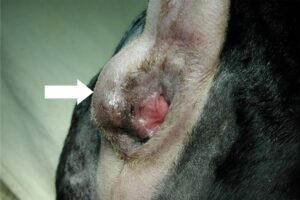
Anal Sac Cancer In Dogs Bluepearl Pet Hospital
4 The Love Of Rescue Posts Facebook
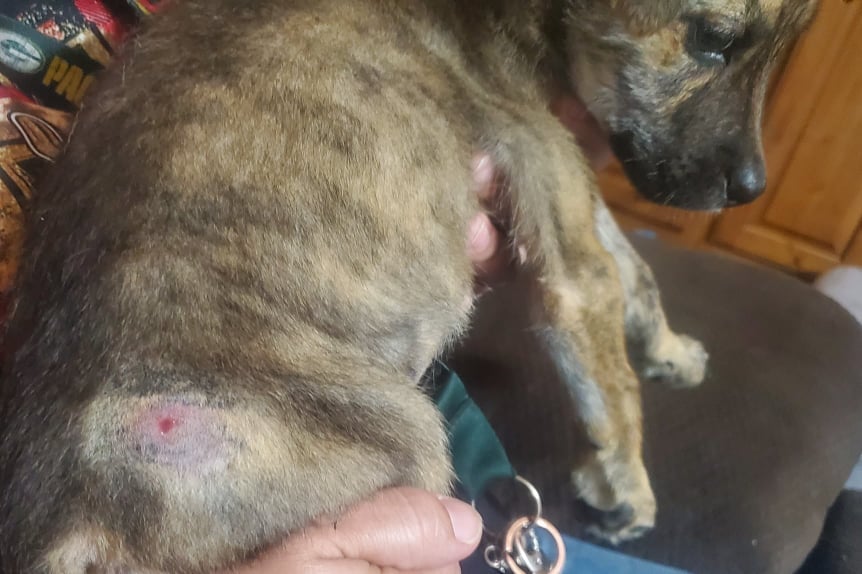

Perianal Adenoma Archives Dr Phil Zeltzman S Blog

Pin On Internal Medicine

Squamous Cell Carcinoma In Dogs Squamous Cell Squamous Cell Carcinoma Squamous
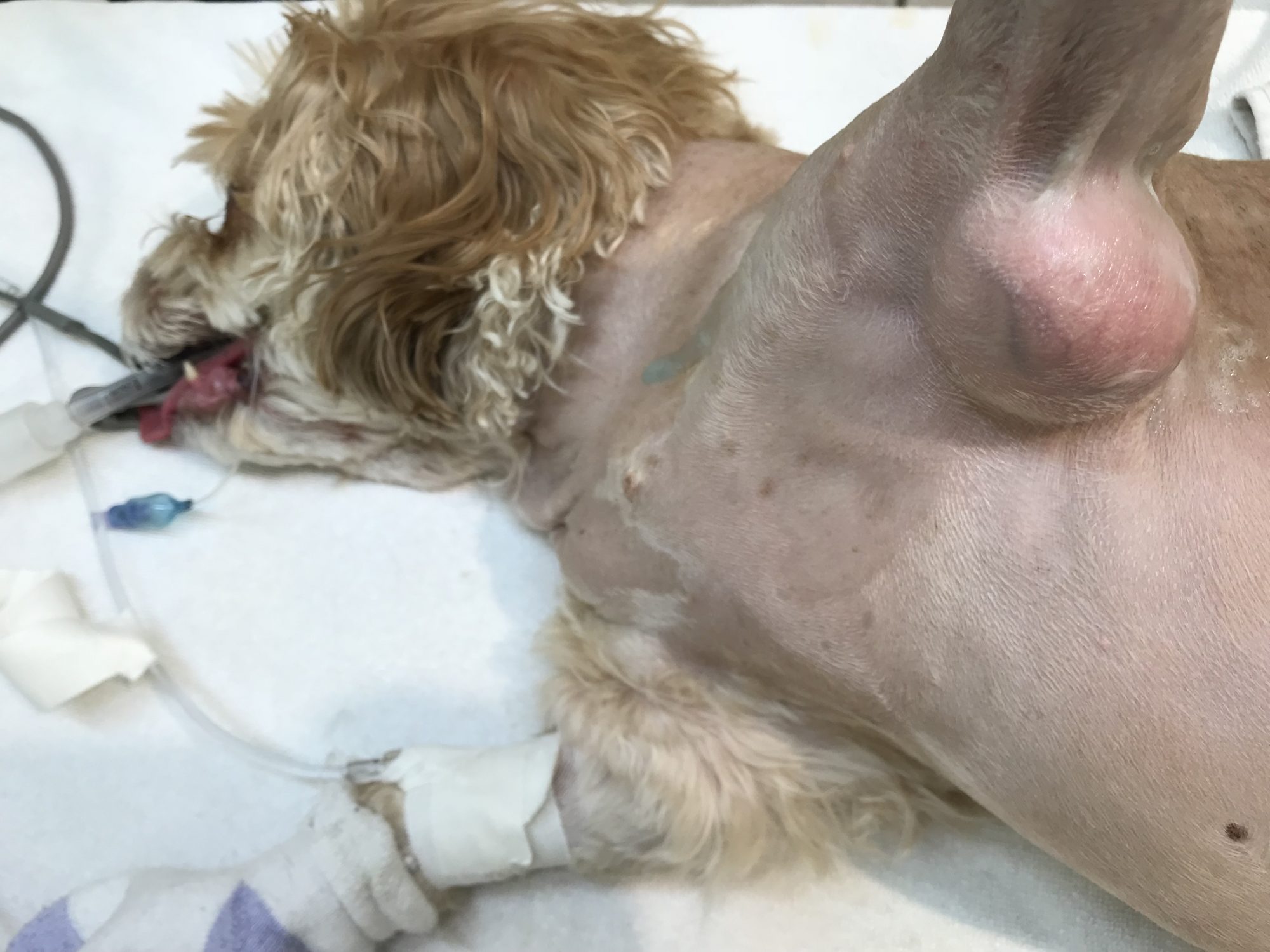
Tumor Archives Dr Phil Zeltzman S Blog

My Dog Has A Pea Size White Cyst On His Rectal Area No Anal Gland Problems Petcoach

My Dog Has A Lump Near Their Anus Perianal Tumors In Dogs

Lolo Loloanneg Dog Pictures Wildlife Dogs
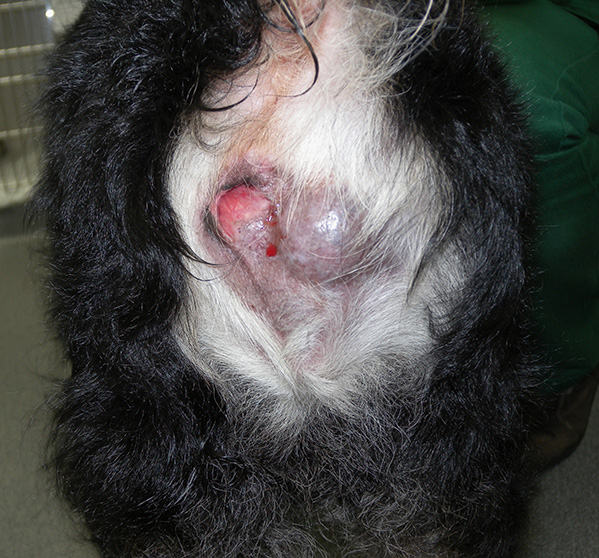
Anal Sac Tumours Carcinoma Of The Apocrine Glands Of The Anal Sac Information Sheet

Golden Retriever Thrives After Being Found Abandoned On A Beach With 46 Pound Tumor Dogs Tumors On Dogs Dog Obedience Classes

Rimadyl For Dogs Uses Dosage Side Effects Dogtime
Mast Cell Tumors Mastocytomas In Dogs Small Door Veterinary

My Dog Has A Large Lump On His Lip It S Red Sore And Weeping The Lump Feels Rock Solid To Touch Petcoach

My Dog Has Black Lines On Her Rectum And Was Scooting This Weekend Petcoach

Figure 2 From Anal Sac Adenocarcinoma A Hidden Cancer Semantic Scholar

Pin On Mascotas
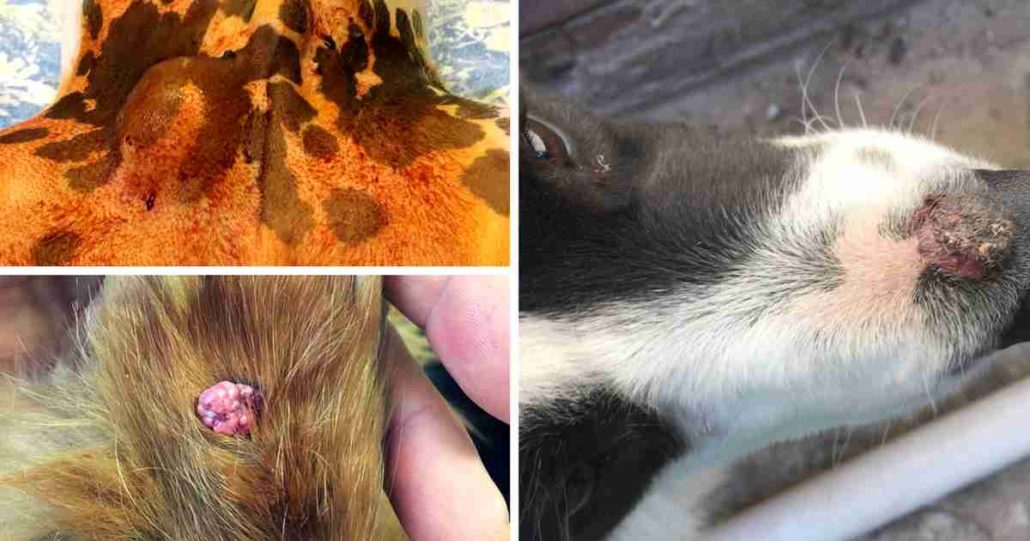
Help Is It A Lump Cyst Or Growth On My Dog Walkerville Vet

Ake3vax N1zsum

